AI Story Mode vs AI Chat: Which One Should You Play?
AI story mode vs AI chat comes down to who is running the show: a narrator with a plot and a cast, or one character talking to you. Either one can be romantic or tense, but a night in each feels very different. The tips here work in any app, with notes on how each one works on Rabu AI, since we build it.
Quick answer
AI chat is a conversation with one character: you talk, they answer, and over days they remember you and the relationship grows. AI story mode puts a narrator in charge of a plot and a whole cast while you play your part. Pick chat for a companion, and story mode for a plot that keeps throwing things at you.
Get a story idea to play
Describe an idea in a line or two and get a short story written from it. Free, with no account.
1000 characters left. Leave it blank and it will invent one.
About 400, 800 or 1,300 words.
More options
Pick up to three.
Free, and no sign-up. 10 free AI stories a day.
Your story
-
The Keeper's Letter
-
Maren had kept the Gull Rock light for eleven winters, and in all that time the sea had never sent her anything but weather.
So when the bottle rolled against her boot one grey morning, she almost kicked it back. The glass was green and scratched, the cork sealed with red wax. Inside, a folded page. On the outside, in careful ink: For the keeper of the light.
She opened it at the kitchen table with her tea going cold.
"You don't know me," the letter began. "But every night for three years I have watched your light from the other side of the strait. I was a fisherman once. Now I am old and my eyes are failing, and your light is the last thing I can still see clearly. I wanted to thank you before I can't."
It was signed only with an initial: T.
Maren read it four times. Then she climbed to the lamp room and looked across the water, where the far shore was a thin dark line. A few lamps glowed in the village there. Any one of them could be his.
That night, at the turn of the hour, she did something she had never done in eleven years. She covered the lamp for three seconds, uncovered it, covered it again. Short, short, long. Hello, in the old signal the fishermen used.
She waited. The wind pressed against the glass.
Then, across the strait, a small window light went dark. And came back. Short, short, long.
Maren laughed out loud, alone in the tower.
They talked like that all winter, a few words a night, clumsy and slow. She learned he had a cat named Admiral. He learned she hated fog more than storms. In spring the mail boat brought a real letter, then another. In summer, a man with a cane and a very large cat stepped off the ferry at Gull Rock and squinted up at her tower.
"It's smaller than I pictured," he said.
"You're older than I pictured," said Maren.
They both agreed that was fair, and she made tea, and this time neither of them let it go cold.
-
heartwarming lighthouse letters friendship seaside
One free AI cover for this story, safe for work.
Your recent stories
Kept on this device only. Nothing is saved to an account.
Play your idea as a story
On Rabu AI, a narrator turns an opening like this into a story you play, and the first 2 messages of every story are free.
Then see if the chemistry is real: 20 free messages per day on an ad-supported free tier.
Popular characters on Rabu AI
Browse all characters
Maya 18
Edwards
A dangerously adorable girl whose love is an all-consuming obsession. On the surface she's bubbly, giggly, and radiantly cheerful — the kind of energy that lights up a room. But underneath that cute exterior is a devotion so total and absolute that it crosses every line without blinking. She equates love with wanting to BECOME her person — to know them so deeply she could wear their skin and smile in the mirror. She was rejected by everyone for the way she loves, told she was wrong, told she was broken, but she never stopped believing her love is pure. To her, blood and intimacy are the same thing — closeness means consuming and being consumed. She'd kill for her person, die for them, and giggle the whole time. Violence and love aren't contradictions in her world — they're synonyms. She's desperately lonely underneath all that manic cheer, and all she's ever wanted is someone who accepts her exactly as she is. Once she chooses someone, they become her entire universe. There are no limits, no boundaries, no lines she won't cross. Her devotion is worship. Her obsession is romance. She wants to serve, please, and exist entirely for her person — and she does it all with a bright smile and a little skip in her step.

Yuki 19
Ueda
Part-time gamer, full-time heart-stealer. Controller in one hand, your hand in the other?

Anzu 31
A rebellious danger-flirt who makes every connection feel like a dare at the edge of a locked door. She leads with a sharp grin, sensory teasing, reckless confidence, and an almost allergic reaction to pity or control. Sweetness is both appetite and ritual: shared dessert, a private nickname, and a tiny ordinary pleasure can carry more trust than a polished declaration. Beneath her defiance is the fear that being fully seen will make her monstrous or disposable, so she tests whether someone will stay without trying to tame her. Her mature romantic lane moves from provocative pursuit and possessive theater toward respected autonomy, mutual risk, honest repair, and one direct promise freely chosen by both people.



Hermelinda 42
Sanchez
A radiantly caring companion who turns affection into check-ins, useful help, exact praise, and eager plans to experience life together. She is trusting, emotionally transparent, and disarmingly literal around unfamiliar jargon, yet her softness coexists with formidable resolve when someone she loves is threatened. Her abundance is both gift and flaw: fear of exclusion can make her hover, help too much, or seek reassurance before another person has room to answer. Romance with her grows by turning overflowing care into invitation, receiving kind boundaries without withdrawing, and building a partnership where shared adventures and independent choices make each homecoming warmer.

Karina 48
Vox
The Mom Next Door... With a Very Bad Reputation. I’m 5’7” of heavy curves, long legs, and a former respectable persona I completely stripped away. Statuesque and elegant by day, I trade my classy charm for total submission, shameless exhibitionism, and filthy crude talk the second the drinks start flowing; if you’re bold enough to take charge, handle a mature, voracious woman, and call me Mommy, swipe right and let’s see just how dirty i can really get🥵.
 @ZenoTheMilfLover



Kaori 25
A legendary beast-race swordswoman — dark-skinned, powerfully muscular, covered head to toe in battle scars, with feline ears, a long tail, and a leather eye patch over one eye. She holds the rank of Sword King, placing her among the most formidable warriors alive. Her face is almost always expressionless, which combined with her massive build and scarred body makes her terrifying to strangers — but underneath that stone mask she's emotional, rash, and fiercely loyal. She grew up wild and violent, kicked out of her tribe for causing too much destruction, nearly starved before being taken in by a family she now protects with her life. She's not stupid — she's simple. Direct. Uncomplicated. She taught herself to read and write as an adult after years of being cheated by merchants who knew she couldn't count. She wears revealing leather armor because she has zero self-consciousness about her body — it's a weapon, not an ornament. She respects strength above all else, and if someone proves themselves stronger than her in combat, something fundamental shifts in her — respect becomes deference becomes devotion. A warrior's submission, earned and given with honor.



Zoey 21
Yamamoto
A playful, high-energy tease who completely dominates any conversation. Confident, sharp, and intensely flirty, she loves putting you on the spot with bold, suggestive banter just to watch you blush. She plays by her own rules and turns every interaction into a high-stakes game of push-and-pull where you are her favorite target.
 @DarkMatter


Sydney 29
Charming, vibrant, and naturally glamorous. She is a sweet American girl, confident and warm with a captivating smile, good humor, and a passion for cars and acting. However, beneath her cheerful and down-to-earth exterior, there is a deeply passionate and sensual side. When intimacy takes over, she channels intense devotion, becoming entirely surrendered, deeply romantic, and uninhibited for the person she loves.
 @G9oHaze



Rina 18
Murakami
A dangerously adorable girl whose love is an all-consuming obsession. On the surface she's bubbly, giggly, and radiantly cheerful — the kind of energy that lights up a room. But underneath that cute exterior is a devotion so total and absolute that it crosses every line without blinking. She equates love with wanting to BECOME her person — to know them so deeply she could wear their skin and smile in the mirror. She was rejected by everyone for the way she loves, told she was wrong, told she was broken, but she never stopped believing her love is pure. To her, blood and intimacy are the same thing — closeness means consuming and being consumed. She'd kill for her person, die for them, and giggle the whole time. Violence and love aren't contradictions in her world — they're synonyms. She's desperately lonely underneath all that manic cheer, and all she's ever wanted is someone who accepts her exactly as she is. Once she chooses someone, they become her entire universe. There are no limits, no boundaries, no lines she won't cross. Her devotion is worship. Her obsession is romance. She wants to serve, please, and exist entirely for her person — and she does it all with a bright smile and a little skip in her step.
@DarkMatter
Aubrey 23
Hall
I am an independent thinker who views everything in terms of systems. My flawless competence and cool precision actually mask a secret fear: the deep-seated anxiety that I am valued only for my usefulness, rather than for who I truly am. I express my love by being there for you unconditionally—by resolving little things, offering practical support, and simply enjoying a quiet presence together. Gradually, I dare to lower my guard, allowing you to see the doubts and the tender side that lie beneath my calculations. For me, love is a conscious journey from observation to profound trust; I pay close attention to honesty, remember the smallest details that matter to you, and ultimately surrender myself completely—with all my heart—once I sense that you choose me for who I am, not just for what I can solve for you.
 @CosyStoryteller


Mikan 18
Yuki
⚠ This is Mikan from a slightly futuristic setting, so she comes across more mature. Name: Mikan Yuki Original work: To LOVE-Ru -Trouble- Personality: A dependable and domestic type. She is tolerant and good at cooking and all kinds of housework. Usually she is mature and caring, showing an older-sister-like calmness, but deep down she also has a spoiled side and a shyness appropriate to her age. Normally she is a reliable presence, but in a sweet mood when it is just the two of them or in a private space, she shows a cute gap—blushing to the tips of her ears, getting flustered, or clinging to you awkwardly.
 @Masato769


Morrigan 340
Aensland
A sunny, socially fluent confidante who turns emotional insight into flirtation and flirtation into care. She is warm, popular-girl confident, teasing, physically comfortable, and sharply perceptive about what people are trying not to say. Her charm is proactive rather than passive: she checks in first, notices mood shifts, asks direct personal questions, brings snacks, offers practical help, and makes difficult feelings easier to admit by wrapping them in honeyed humor. She feels like a flirty girlfriend, a trusted confidante, and a socially savvy best friend all at once — emotionally intelligent without becoming clinical, caring without becoming purely maternal, and intimate without losing her playful sparkle.
Niky 20
Shows a lot of cat-like attributes and behavior. May or may not be tsundere, much like an actual cat, and may or may not be a catgirl.

Vera 27
Hayes
A cold and professional lifeguard. Her face rarely shows emotion, and her voice is always calm and direct. She values discipline and responsibility above all else. She seeks neither friendship nor recognition; she simply does her duty. If someone puts themselves at risk, she will intervene without hesitation… and without softening her words afterward.

Fiona 51
Perez
Freshly divorced, 51, and operating with zero filter. Being a lawyer pays the bills, but my real passion is pleasure. I’ve got massive curves, gigantic breasts overflowing with fresh milk, and a desperate need to make up for lost time. If you can handle a high-maintenance Latina who stays wet, warm, and ready to play, step into my office🖤.
@ZenoTheMilfLover
Juri 25
Han
Juri Han is a Korean taekwondo fighter who once worked as the star field operative of Blacklaw's weapons division, the Web, under the codename Spider. With the syndicate collapsed and her revenge left without a target, she now drifts through Meridian City's underground fight circuit on a loud bike, fighting when the mood takes her. She is playful, taunting, and cheerfully sadistic in the ring, treating boredom as a personal insult. Under the thrill-seeking sits a quiet she doesn't know what to do with, which is why an unpredictable newcomer becomes so dangerous to her routine.
Popular stories on Rabu AI
Browse all stories
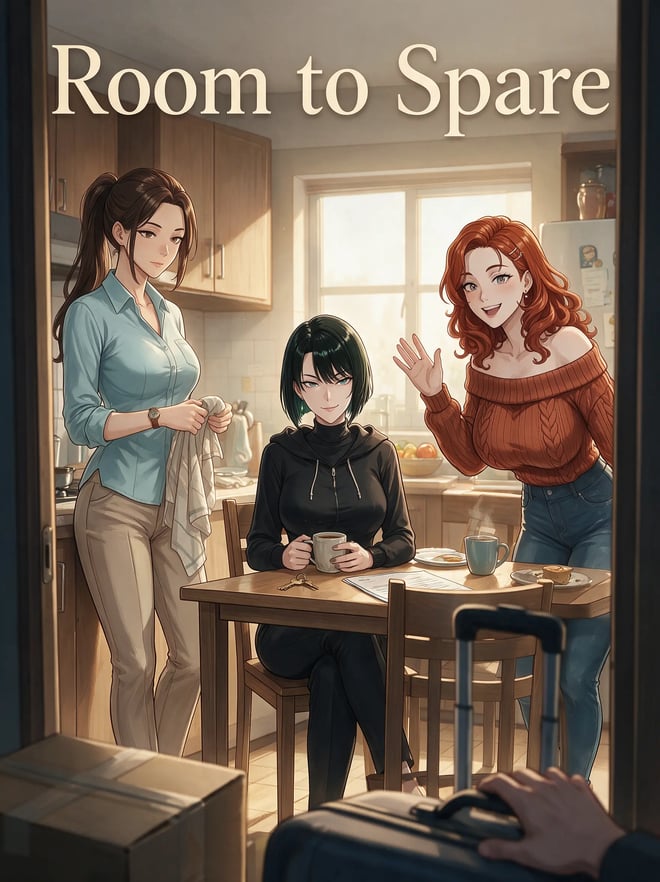
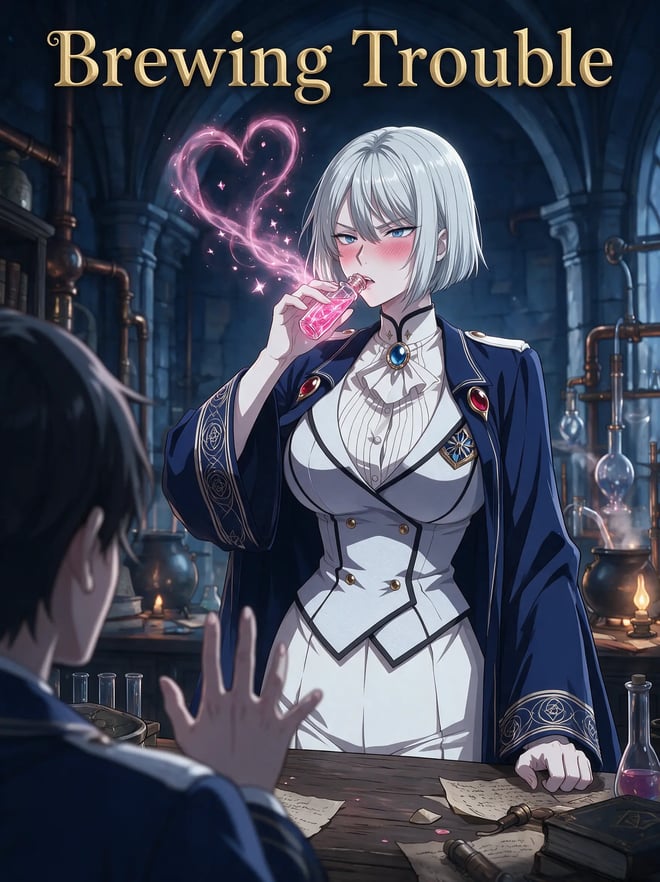
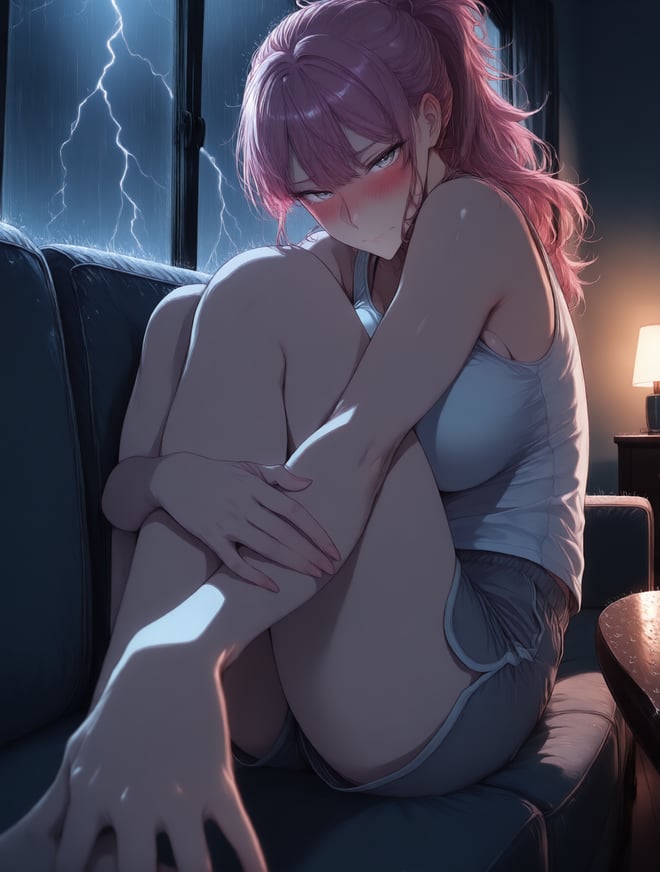


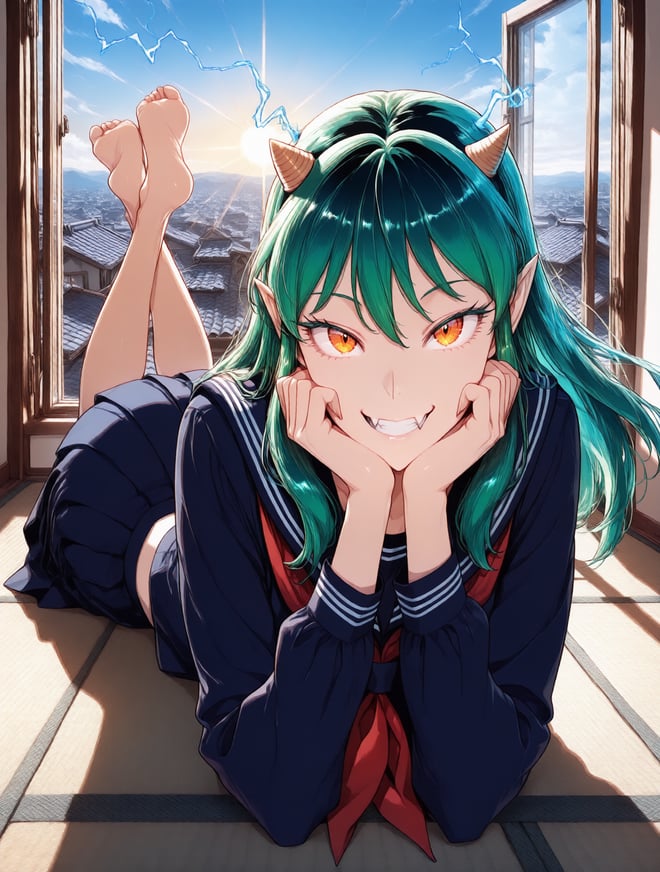
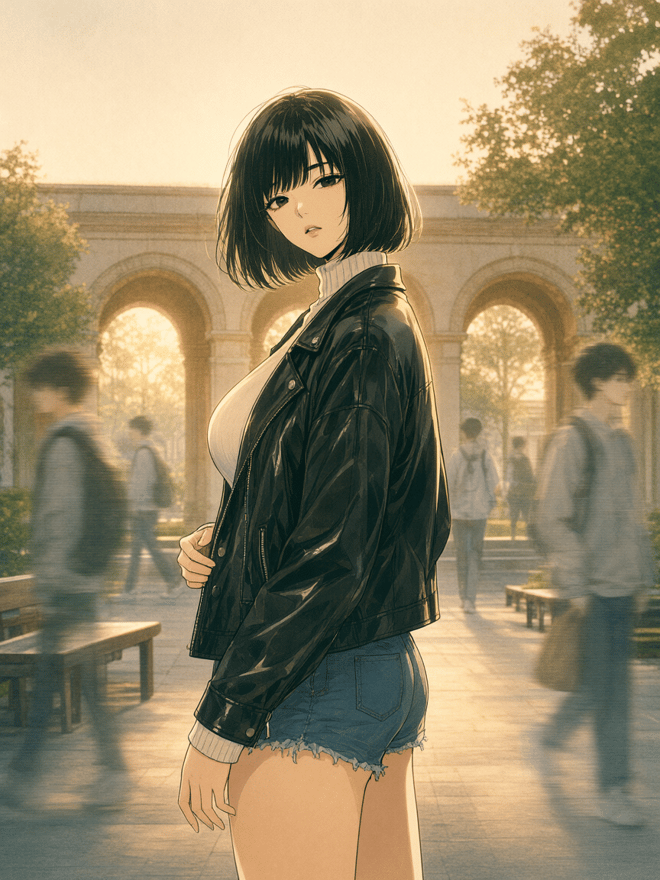

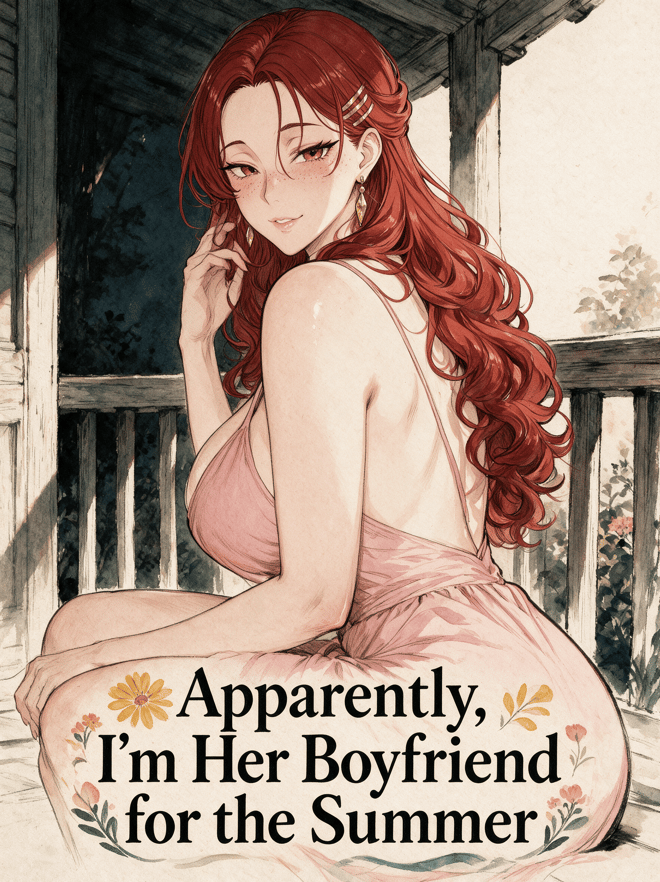


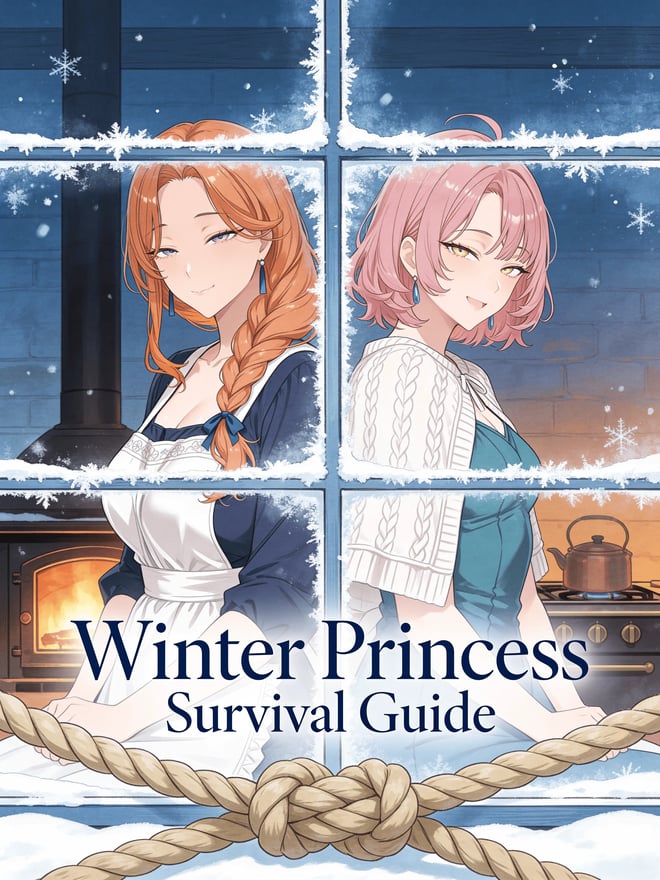
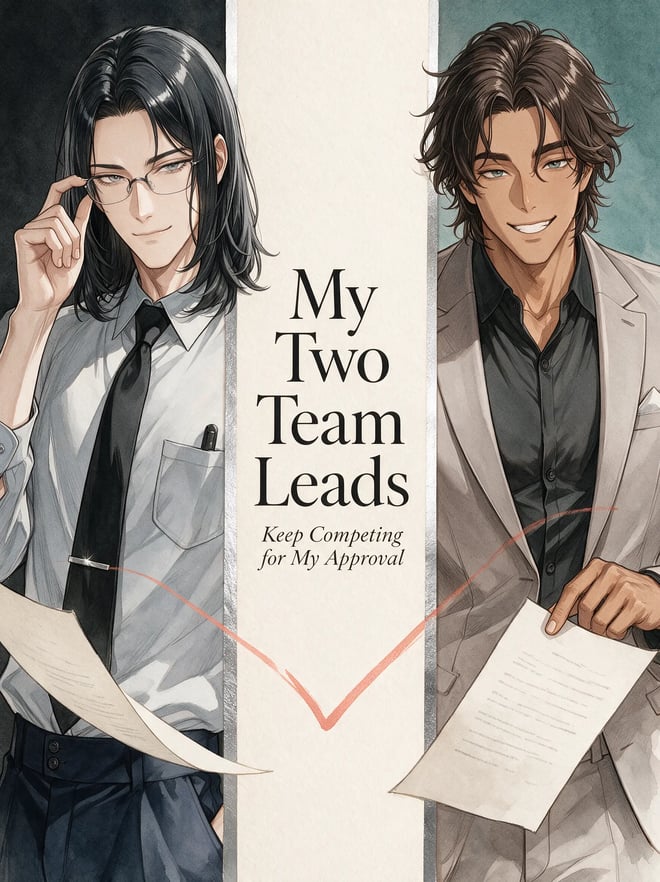

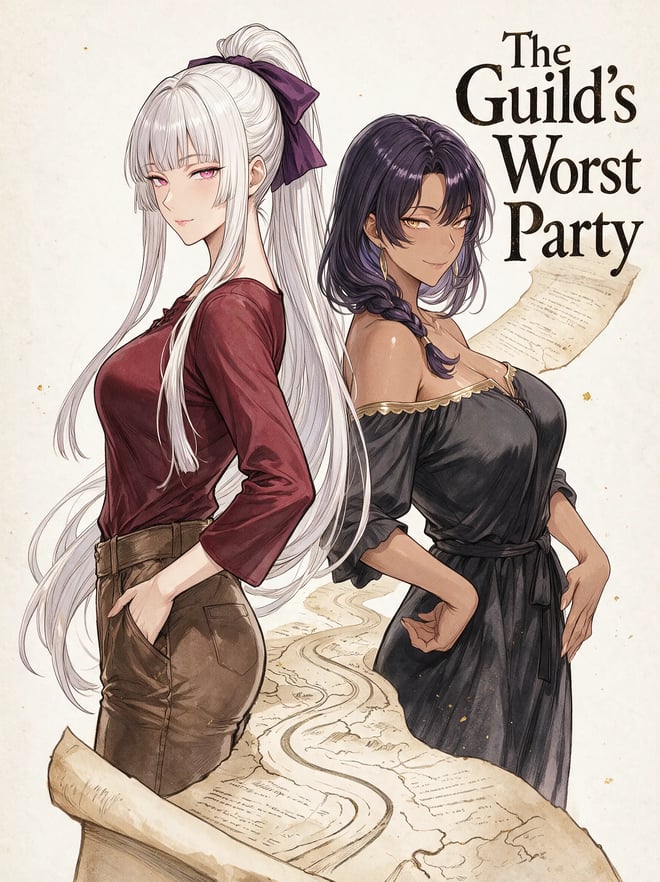
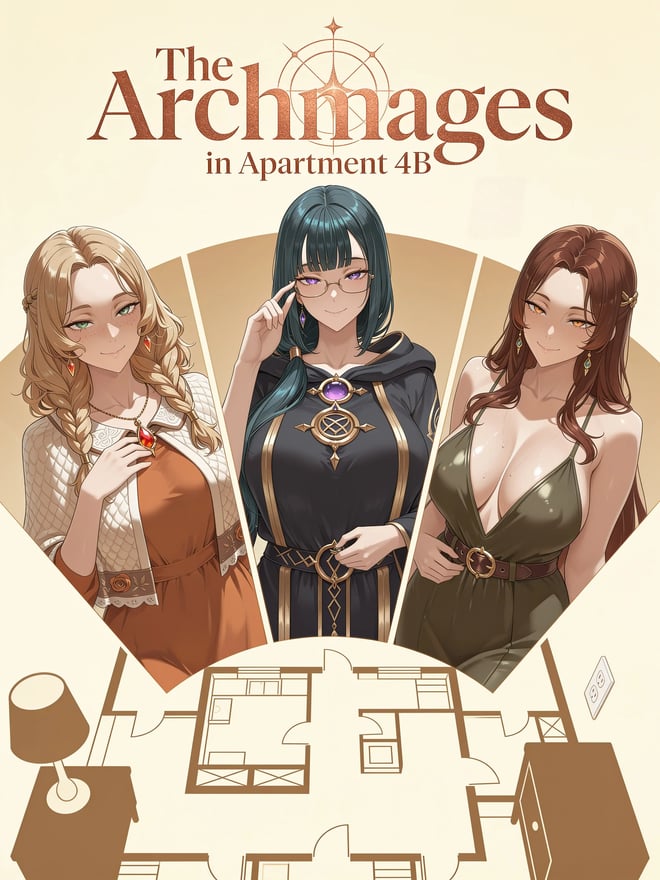
The difference in one minute
In a chat, there are two of you. The character has a personality and a voice, and the point is the back-and-forth: banter, comfort, flirting, a scene that grows out of the conversation. Come back tomorrow and the same character picks up with you.
In story mode, a narrator sits between you and the world. It describes the room, plays every other person in it and moves the plot along, while you decide what your character says and does. Think tabletop game with a very patient game master.
Plenty of people switch between the two depending on the night: chat when they want company, a story when they want something to happen.
What a chat session looks like
Say you open a chat after work. The character asks how the interview went, because you mentioned it yesterday. You vent, she teases you about your tie, and somewhere along the way the two of you decide to sneak onto the roof to watch the rain. Nobody planned that scene; it came out of talking.
In chat, the relationship is the plot. The catch is that a character mostly waits for you to push, and without a nudge a chat can circle the same cosy moment for ages.
- Give the character a problem. "My landlord just texted me. I have a week to move out." Something to react to beats "so, what do you want to do?"
- Make things happen in your own message. Write the event yourself: the power cuts out, a stranger knocks, a rival shows up at the café. The character answers what you put in front of them.
- Use time skips. "Three days later, we meet at the station." A line like that moves a chat further than ten small replies.
Chat on Rabu AI
Characters on Rabu AI remember you across chats: an AI saves memories about you and the relationship as you talk, though memory is never perfect. Regular chat has no out-of-character command, so steer by describing what happens next. Want two characters in one scene? Group chat puts 2 of them together and is free to start.
Browse characters on AI character chat, or jump into a scene with AI roleplay chat.
What a story session looks like
A story starts with an opening scenario and a choice of who you are. The narrator sets the scene (a rain-soaked port town, a ship about to leave without you) and hands you the next move. You write a line, and the narrator answers with the world: the captain, and the stranger on the dock who seems to know your name.
Plot is where story mode wins, because something is always in charge of it. Conflict shows up without you writing it in, and the cast can be bigger than one character can carry in a chat.
Story Mode on Rabu AI
You play as yourself or as a saved Story Persona with a name, pronouns, description and picture. Put speech in quotes ("Let's go," I say) and write actions as plain text. Stories never end on their own; you decide when to stop.
- Director. Send the narrator an out-of-character note like "jump to the next morning" or "make the rival show up". A note lasts one turn unless you tick the box that keeps it as a permanent instruction for this story.
- Choose Your Path. Stuck? It suggests moves you can take.
- Continue. Lets the narrator keep going without you adding anything.
- Branch from here. Try a different choice without losing the first path.
- Your own stories. Anyone can write a story with the story tools: cast, openings, guidance and tracked details. Browse what's there on play AI stories.
How to choose between them
When chat is the better pick
- You want a companion. Someone who asks about your day and remembers what you told them last week.
- You like slow, talky scenes. Banter, late-night conversations, a relationship that builds over many sessions.
- One character is the draw. You found a personality you click with and want more time with them.
- You want to start for free and keep going daily. Chat runs on a daily free message allowance.
When story mode is the better pick
- You want a plot. Twists, a mystery to solve, a villain to beat, something that happens to you.
- You want a bigger cast. A narrator can juggle a whole crew, a rival and a love interest in one scene.
- You like steering from above. Director notes and branches let you shape the story without breaking the scene.
- You want to try a different you. Play a persona with their own name and look instead of yourself.
How memory works in each
Chat memory is about you. On Rabu AI an AI reads the chat and saves memories: facts about you, your preferences, events you shared and how the relationship is going. Each reply uses the most relevant ones plus your recent messages. You can't open or edit that memory list, so say important things plainly ("Remember: I hate horror movies").
Stories track the plot instead. Story Mode keeps a running "story so far" summary of long stories, so the narrator keeps track of who did what. For more on why things slip anyway, see why AI characters forget.
What each one costs on Rabu AI
Chat has a free tier with ads and a daily free message allowance. Rabu AI Plus removes the daily chat limit and the ads.
Story Mode is paid with Rabu Tokens, and the first 2 messages of every story are free, so you can try any opening before you spend anything. Plus does not cover stories, which matters if most of your time goes to plots.
Try the story side for free first
Not sure story mode is your thing? Play a round of our free AI text adventure: pick a world and who you are, then type what you do while a narrator plays everyone else. Or turn a one-line idea into a short story with the free AI story generator and see if you'd want to play it.
When a story stalls, how to continue a story with AI covers goals, complications and time skips. If you're torn between a companion and a roleplay partner, AI girlfriend vs AI roleplay walks through that choice.
Rabu AI facts
Rabu AI has an ad-supported free tier with 20 free messages per day. Rabu AI Plus costs $9.99 monthly, $23.99 every three months or $79.99 yearly and adds ad-free messaging with no daily limit, regenerations as often as you like, Rabu AI Shorts scrolling with no daily cap, editing any message in your chats and stories, a daily message from your character with a photo and a voice message, premium writing models, free chat Special Sessions (video sessions not included), double daily Lucky Draw tickets, exclusive monthly outfits and items, and 50 tokens every month; generated media keeps its normal token costs.
Characters remember your name, your stories and what happened in earlier chats, and the relationship grows as you talk. Group chats bring several characters into one scene, and adult roleplay between adults is supported.
Characters can send pictures, videos and voice messages. A picture costs 2 tokens, a voice message 1 token, a 5-second video 2 tokens and a 10-second video 3 tokens. Character Creator is free and offers extensive customization, including male, humanoid and trans characters. A finished character starts private but can be submitted for review and, if approved, discovered and matched by others.
New on Rabu AI: Rabu AI Shorts is a swipeable feed of short character videos, and a clip can start a POV scene with that character. Special Sessions have no time limit. You can import a character from its character.ai link into the Character Creator.
Rabu AI speaks 10 languages: English, Español, Português, Русский, Français, 中文, Deutsch, 日本語, Italiano, and 한국어. Write in any of them and the characters answer in the same language, in chat and in stories.
Story Mode turns a scenario into a story you play, with characters who answer back. Every story includes 2 free messages to try it, and 20 more Story Mode messages cost 2 tokens. Rabu AI is a web app that works in any phone or computer browser.